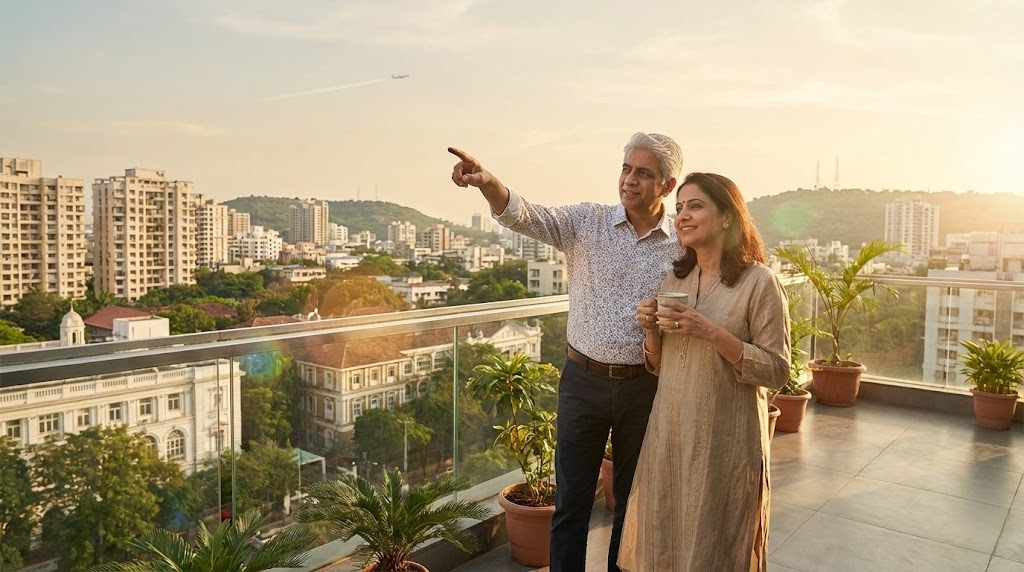
Retirement planning as an NRI is not just about numbers on a spreadsheet. It is about where you want to drink your morning chai, which hospital you can trust at 70, how easy it will be for your children to visit, and whether you can breathe clean air and live with dignity.
If you are considering moving back to India for retirement—maybe a few years earlier than 60—choosing the right city becomes one of the most important decisions. The wrong choice can mean daily frustration, health issues, or feeling isolated. The right choice can give you a peaceful, healthy, and financially sensible life that still keeps you connected to the world.
Based on key factors like quality of life, healthcare, infrastructure, air quality, and NRI-friendliness, the following seven cities stand out for early retirement in India:
- Chandigarh
- Mysuru
- Visakhapatnam
- Coimbatore
- Dehradun
- Kochi
- Pune
Below is a comprehensive, NRI-focused breakdown so you can see which city actually aligns with your aspirations and your practical realities.
What Really Matters to an NRI Retiree?
When you have lived abroad—whether in the US, UK, Middle East, Singapore, or elsewhere—you get used to certain standards. So retirement in India is not only about “going back home”; it is about how you want to live those next 20–30 years.
For most NRIs, these factors are critical:
- Air Quality and Environment
- You want to avoid high-pollution zones. Clean air, greenery, and a quieter environment matter more as you age.
- Heat, humidity, and extreme weather are real considerations if you have blood pressure, asthma, or joint issues.
- Healthcare and Hospitals
- Proximity to reputed hospitals, availability of specialists, and diagnostic facilities become non-negotiable.
- You may want cities that have good private hospitals and easy access to advanced care.
- Infrastructure and Connectivity
- You need stable roads, reasonable traffic, decent public transport, and access to airports or major railways.
- For many NRIs, being able to fly in and out easily—and for kids to visit—is a huge factor.
- Lifestyle and Community
- A calm, respectful environment rather than daily chaos.
- Presence of like-minded people, often including other NRIs or upper middle class professionals.
- Recreational options: parks, cafes, cultural life, maybe golf or clubs.
- Cost of Living and Real Estate
- You may be asset-rich abroad but you still want value for money in India.
- Stable real estate markets, reasonable living costs, and not overpaying in “hyped” metros.
- Safety and Governance
- Safe neighborhoods, decent law and order, and generally well-governed cities matter a lot especially if one spouse is alone part of the year.
The seven cities discussed here rank well on most of these parameters, with different strengths depending on your personal priorities.
Snapshot: How These 7 Cities Compare
The chart below is a relative comparison based on typical NRI priorities: air quality, healthcare, infrastructure, lifestyle, and cost of living. Scores are on a scale of 1–10 (higher is better), giving a directional sense of where each city shines.
Note: These are indicative, comparative scores designed to reflect the qualitative discussion from the video, not official rankings.
City Comparison Chart – NRI Retirement Priorities (Higher is Better)
| City | Air Quality | Healthcare | Infrastructure | Lifestyle | Cost of Living |
|---|---|---|---|---|---|
| Chandigarh | 8 | 8 | 8 | 8 | 6 |
| Mysuru | 9 | 7 | 7 | 8 | 9 |
| Visakhapatnam | 8 | 7 | 7 | 8 | 8 |
| Coimbatore | 8 | 8 | 7 | 7 | 8 |
| Dehradun | 8 | 6 | 6 | 8 | 7 |
| Kochi | 7 | 8 | 7 | 8 | 7 |
| Pune | 6 | 9 | 8 | 9 | 5 |
You can turn this into a visual chart in your blog using Excel, Google Sheets, or any charting plugin:
- X-axis: Cities
- Y-axis: Score (1–10)
- Chart type: Grouped bar chart or radar chart
- Title suggestion:
“NRI Retirement Scorecard: How India’s Top 7 Cities Stack Up on Lifestyle, Healthcare & Costs”
1. Chandigarh – Planned, Peaceful, and Premium
For many NRIs, Chandigarh feels like a bridge between India and the West.
Why it works for NRIs:
- Planned city with greenery:
Wide roads, organized sectors, ample parks, and comparatively better air than many North Indian cities. It gives you a sense of order that you may be used to abroad. - Good healthcare:
Presence of reputed government and private hospitals, with easy access to specialists. - Lifestyle and safety:
Generally safe, cleaner than most Tier-2 cities, with a calm but sophisticated lifestyle. Cafes, malls, and social spaces are available without being overwhelming. - Connectivity:
Good road and rail connectivity; the airport connects to major Indian metros and some international hubs via connections.
Things to keep in mind:
- Real estate cost:
Property in Chandigarh and its prime surroundings (like Mohali) is not cheap. As an NRI, you may be able to afford it, but you should be aware you are paying a “premium” for the planned-city feel. - Weather:
Extreme summers and chilly winters compared to coastal or southern options. If you have health conditions sensitive to temperature changes, this matters.
Best suited for you if:
You want a structured, premium, North Indian lifestyle with decent healthcare and are okay with slightly higher real estate costs and North Indian weather extremes.
2. Mysuru – Heritage City with Calm, Clean Air
Mysuru is increasingly seen as an NRI favorite for those who want a slow-paced, cultured life.
Why it works for NRIs:
- Excellent air quality and greenery:
Far cleaner and calmer than bigger cities like Bengaluru. Less traffic, more trees, spacious roads. - Pleasant climate (relative to many cities):
Compared to coastal humidity or North India’s dust and smog, Mysuru offers relatively pleasant weather for most of the year. - Livable scale:
It is big enough to have urban facilities but small enough to avoid the madness of a metro. Ideal if you want a peaceful retired life with occasional visits to a bigger city. - Proximity to Bengaluru:
For higher-end medical care, international flights, or more specialized services, Bengaluru is just a few hours away by road or rail.
Things to keep in mind:
- Healthcare is good but not top-tier for all specialties:
Plenty of hospitals and clinics for regular care, but for very advanced procedures you may still rely on Bengaluru. - Language and culture:
Kannada is widely spoken, though many people understand English and Hindi in urban areas. If you are a non-Kannada speaker, it may take some time to adjust—but most NRIs manage comfortably.
Best suited for you if:
You want extreme peace, clean air, lower costs, and a culturally rich environment, with the comfort of having a big metro (Bengaluru) close by for anything major.
3. Visakhapatnam (Vizag) – Coastal Calm with Urban Comfort
If the idea of waking up to the sea every day appeals to you, Visakhapatnam is worth serious consideration.
Why it works for NRIs:
- Scenic coastal vibe:
Beautiful beaches, hills in the backdrop, and a city that is expanding but still not as chaotic as larger metros. - Improving infrastructure:
Roads, public spaces, and city infrastructure have been improving; it functions as a major port city with growing economic activity. - Balanced lifestyle:
Not too small, not too big. Enough shopping, restaurants, and entertainment for a comfortable retired life. - Cost of living:
Generally more affordable than the big metros, especially if you are used to Western or Gulf incomes.
Things to keep in mind:
- Climate:
Humid and warm due to the coastal location. If you have respiratory or skin conditions sensitive to humidity, this is a factor. - Language:
Telugu is predominant, but you can manage with English in many urban setups. As always, a bit of the local language helps with staff, vendors, and day-to-day life.
Best suited for you if:
You want a sea-facing, relaxed lifestyle in a city that still gives you essential urban services without the intensity of a major metro.
4. Coimbatore – The “Retiree’s Capital” of the South
Coimbatore has quietly become a favorite for retirees, including many NRIs, especially from the South.
Why it works for NRIs:
- Pleasant weather (especially compared to many other cities):
Thanks to its proximity to the Western Ghats, Coimbatore generally has more comfortable temperatures and decent air quality. - Strong healthcare ecosystem:
Several reputed hospitals and specialty centers make it a good base for older adults who want reliable medical support. - Calm, practical lifestyle:
Not overly flashy, but very functional—good neighborhoods, relatively less traffic compared to big metros, and a sense of community. - Cost effectiveness:
Real estate and living costs are usually reasonable relative to the quality of life on offer.
Things to keep in mind:
- Language:
Tamil is dominant; English is fairly common in professional and business circles. Non-Tamil NRIs adapt over time but initial interactions may feel slightly challenging. - Entertainment and cosmopolitan feel:
It is not a “party city.” If you crave a very vibrant nightlife or a very cosmopolitan culture, you may find it a bit subdued.
Best suited for you if:
You value good healthcare, comfortable climate, and sensible costs over a flashy lifestyle, and you are okay with a quieter South Indian cultural setting.
5. Dehradun – Hillside Gateway with Growing Urban Comfort
For many NRIs, the idea of retiring near the hills is emotionally appealing; Dehradun offers exactly that without being completely remote.
Why it works for NRIs:
- Proximity to the Himalayas:
Access to hill stations and scenic landscapes, with relatively better air compared to large North Indian plains cities. - Comfortable climate compared to harsh plains:
Summers are more bearable than in many North Indian cities, though it is no longer as cool as decades ago. - Lifestyle:
Slower pace, less traffic than major metros, and a semi-urban, semi-hill-town feel.
Things to keep in mind:
- Infrastructure & governance mixed:
While improving, infrastructure can be inconsistent after rapid expansion—traffic bottlenecks and patchy roads in some areas. - Healthcare:
Day-to-day and moderate-level medical needs are manageable, but for some advanced treatments, you might need to travel to larger cities. - Tourist seasons:
Being a gateway to hill stations can mean seasonal traffic spikes.
Best suited for you if:
You dream of a quieter, hill-adjacent life, are okay with slightly weaker infrastructure, and do not mind an extra step of travel for cutting-edge healthcare.
6. Kochi – Coastal, Cosmopolitan, and Connected
Kochi (Cochin) is a very interesting option if you want a blend of coastal living, culture, and connectivity.
Why it works for NRIs:
- Strong NRI presence:
Large numbers of Keralites working abroad have homes in and around Kochi, so the city is naturally attuned to NRI needs and expectations. - Healthcare:
Kerala in general, and Kochi in particular, have several good hospitals, making it dependable from a medical perspective. - Cultural and lifestyle richness:
Access to backwaters, beaches, cultural festivals, traditional arts, as well as malls, cafes, and modern amenities. - International connectivity:
Cochin International Airport connects well to the Middle East and several other countries, which is especially attractive if your children or you shuttle often.
Things to keep in mind:
- Climate:
Hot and humid for a significant part of the year. If humidity bothers you, this must be weighed carefully. - Language:
Malayalam is dominant, though English is widely spoken, especially in educated and service sectors.
Best suited for you if:
You want a coastal, culturally rich city with strong healthcare and airport connectivity, especially if you have a Kerala connection or are comfortable with coastal climates.
7. Pune – Urban Energy with Retiree-Friendly Pockets
Among all the cities, Pune is probably the most “big city” option while still being manageable for retirees.
Why it works for NRIs:
- Excellent healthcare:
Multiple top-tier hospitals, super-specialty centers, and diagnostic facilities. For serious medical concerns, this is a major plus. - Vibrant yet livable lifestyle:
Good restaurants, cultural activities, education hubs, and relatively better work–life balance compared to Mumbai or Delhi. - Cosmopolitan environment:
People from all over India live here. If you want diversity and a city that feels modern and inclusive, Pune fits well. - Proximity to Mumbai:
Easy access to India’s financial capital and its international connections, while enjoying lower living costs and less density than Mumbai itself.
Things to keep in mind:
- Air quality and traffic:
As the city grows, traffic congestion and pollution are rising in certain areas. Choice of neighborhood is crucial. - Real estate cost:
Many areas, especially in prime localities, can be relatively expensive. Not at Mumbai levels, but not “cheap” either.
Best suited for you if:
You want a full-fledged city experience with strong healthcare and cosmopolitan life, and are okay with higher costs and some traffic/pollution in exchange for those benefits.
Emotional vs Practical: How an NRI Should Actually Decide
When you close your eyes and imagine retirement in India, you may think of:
- Morning walks in a quiet, green neighborhood
- A hospital 15–20 minutes away for emergencies
- A house that does not demand constant repairs
- Domestic help that is trustworthy and affordable
- A community where you are not “the outsider from abroad”
- Easy flights for your children to visit with their families
But along with that emotional picture, you must run a practical checklist:
- Health First
- Do you or your spouse have conditions (cardiac, diabetes, respiratory, orthopedic) that demand strong nearby hospitals?
- If yes, cities like Pune, Coimbatore, Chandigarh, Kochi score particularly well.
- Climate and Air Quality
- If you have asthma, COPD, or are extremely sensitive to pollution and heat, give extra weight to Mysuru, Coimbatore, Chandigarh, Dehradun, Visakhapatnam (relative to many other Indian cities).
- Budget and Property Type
- Are you looking for an apartment in a gated community, a villa, or an independent house?
- Assess:
- Purchase cost
- Monthly maintenance
- Staff availability (cook, maid, driver, caretaker)
- Cities like Mysuru, Visakhapatnam, Coimbatore, Dehradun often offer better value than more premium markets.
- Family Connectivity
- Where do your children live? Which international routes do they use?
- Cities like Pune, Kochi, Chandigarh (and via nearby metros) can be strategic if flight connectivity is key.
- Language and Cultural Comfort
- If you are not comfortable learning a regional language, you may lean towards more cosmopolitan places like Pune, Chandigarh, or any area where English/Hindi is widely understood.
- If you have roots in Kerala, Karnataka, Tamil Nadu, Andhra, etc., then Kochi, Mysuru, Coimbatore, Visakhapatnam can feel like “homecoming” rather than “adjustment.”
How to Use This Information for Your Own Plan
Here is a simple way to move from “thinking” to “deciding”:
- Shortlist 3 Cities
- From this list of seven, pick three that intuitively appeal to you (heart choice).
- Score Them Yourself
- Make a table with these parameters:
- Healthcare
- Climate & air
- Cost of living
- Flight connectivity
- Language/culture fit
- Presence of friends/family
- Give each a score from 1–10 based on your personal situation.
- Make a table with these parameters:
- Visit Before You Buy
- Spend at least 1–2 weeks in each shortlisted city:
- Stay in the exact area where you might buy (not just touristy zones).
- Try out hospitals, local markets, gyms, parks.
- Observe traffic at peak times and speak to local residents (including any NRIs already settled there).
- Spend at least 1–2 weeks in each shortlisted city:
- Think 20 Years Ahead
- Ask: “Will this city still work for me when I am 75–80?”
- Consider:
- Will I be able to climb stairs here?
- Is there a lift, wheelchair access, and nearby medical help?
- Is the area prone to flooding, water shortages, or extreme weather?
- Plan for Support System
- Identify:
- A reliable general physician
- Nearest emergency hospital
- Local help agencies (for caretakers, nurses, etc.)
- This is crucial if your children live abroad and you will be managing largely on your own.
- Identify:
Putting It All Together
These seven cities—Chandigarh, Mysuru, Visakhapatnam, Coimbatore, Dehradun, Kochi, and Pune—offer some of the best combinations of quality of life, healthcare, infrastructure, and community for NRIs planning early or regular retirement in India.
- If you want planned, premium, North Indian comfort – look at Chandigarh.
- If you want calm, clean air, and low costs – Mysuru is extremely attractive.
- If you dream of sea views and a balanced city – Visakhapatnam stands out.
- If healthcare + sensible climate is your top priority – Coimbatore is a strong contender.
- If you want proximity to hills and quieter living – consider Dehradun.
- If you desire a coastal, culturally rich, NRI-heavy environment – Kochi fits well.
- If you prefer a cosmopolitan city with top healthcare and good access to Mumbai – Pune may be ideal.
In the end, the “best” city is the one where your heart feels at peace and your head feels reassured that the practical aspects—health, safety, and finances—are taken care of.

Abhishek Singh is the founder of Just What Works and a passionate entrepreneur in the nutraceutical space. Through his brand and writing, he shares practical business strategies, wellness insights, and real-world lessons from his own startup journey. His work helps readers cut through noise and focus on building businesses — and lives — that truly work.